
Buyer Comparison
Compressed Sofa vs Traditional Sofa for Wholesale Buyers
Compare compressed and traditional sofas across construction, warehouse use, freight planning, recovery, quality control and wholesale program fit.
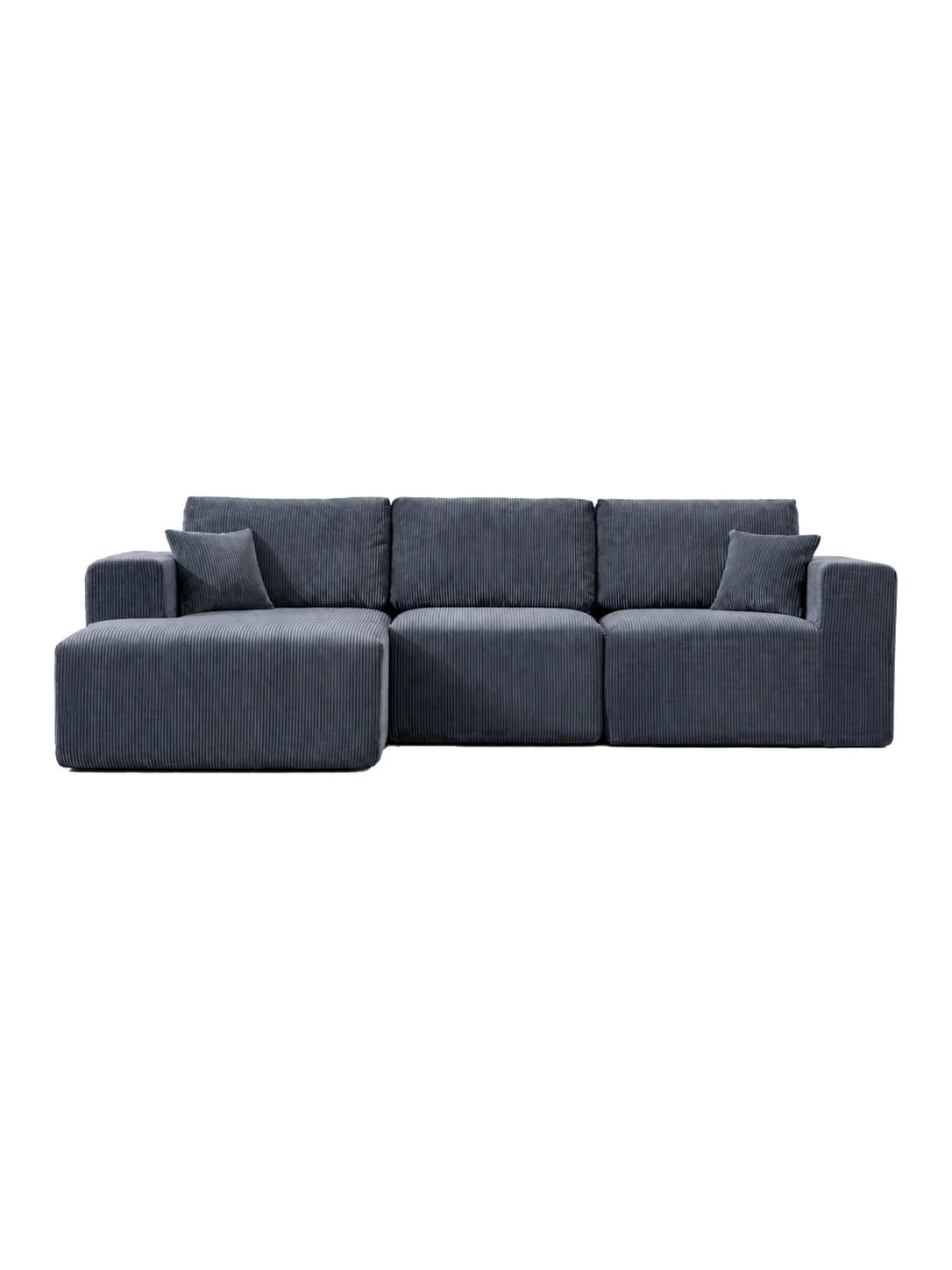
Direct answer
For wholesale buyers, a compressed sofa is not automatically better than a traditional sofa; it solves a different operational problem. Compressed formats can reduce the packed volume of upholstered seating and support box-based handling, while traditional sofas may offer simpler recovery expectations and established delivery workflows. The right choice depends on model construction, target channel, packed data, quality controls, storage constraints, customer setup and total landed-cost assumptions.
Key takeaways
- Compare total program economics, not factory price or carton size in isolation.
- Compressed sofas add recovery and packing controls that traditional sofas may not require.
- Traditional sofas can occupy more storage and freight space but may fit established white-glove channels.
- The buyer’s sales channel, return handling and setup communication should influence the format decision.
- Model-specific samples and packed specifications are necessary for a fair comparison.
What is the core difference between the two formats?
A traditional sofa normally moves near its expanded form, although legs, backs or modules may be detached. A compressed sofa is designed to reduce the volume of upholstered sections before shipment. That difference changes the product-engineering discussion and the route through packaging, warehouse handling, delivery and setup.
The visible category name is not enough for comparison. Two sofas with similar expanded dimensions can have different packed sizes, weights, module counts, carton strength and recovery behavior. Buyers need a like-for-like model brief and a defined route to compare them.
| Decision area | Compressed sofa | Traditional sofa | Buyer question |
|---|---|---|---|
| Packed format | Reduced upholstered volume; often box-oriented | Closer to expanded form | Which format fits the warehouse and delivery network? |
| Construction review | Must tolerate compression and recover | Focused on normal transport and use | What has been validated for the selected model? |
| Quality control | Adds compression, seal, carton and recovery checks | Emphasizes assembly, finish and transport protection | Which records and acceptance criteria are available? |
| Customer setup | Unpacking and recovery instructions are important | May require assembly or delivery service | Who completes setup and handles exceptions? |
| Logistics analysis | Uses model-specific packed volume and weight | Uses expanded/module volume and protection | What is the total landed and handling cost? |
How does construction affect the comparison?
A compressed model must be designed around the forces and geometry of its packing method. Foam response, support zones, covers, seams, module interfaces and any rigid components need to survive packing and recover consistently. A conventional model can prioritize other structures because it is not expected to enter the same reduced-volume state.
LiAroo’s compressed sofa range uses 40D high-resilience foam throughout and does not use pocket-spring or spring-pack construction. These owner-confirmed facts define LiAroo sofa construction, but a buyer should still evaluate firmness, resilience, layer design and the finished support system. A density designation is important sourcing information, not a substitute for an approved sample and complete specification.
Which format fits different wholesale channels?
Warehouse sellers and e-commerce furniture brands may value a compact, identifiable carton that can move through established storage and fulfillment processes. Importers may focus on container planning and damage control. Furniture stores may use compressed models for replenishment while keeping expanded samples on the floor. Hospitality and project buyers may prioritize installation sequence and consistent room delivery.
Traditional sofas can remain attractive where a local distribution network already handles bulky units, where customers expect delivery in near-ready condition or where a particular rigid construction is commercially important. The right answer comes from the buyer’s actual workflow rather than a general claim that one format replaces the other.
How should a buyer compare total cost and risk?
Build the model from verified inputs: product price, packed dimensions, gross weight, container or truck plan, receiving labor, storage, pick-and-pack steps, final-mile route, setup communication, damage handling and returns. A smaller carton can create value, but only if product recovery, carton protection and customer instructions are controlled.
Do not apply a generic percentage saving. Run the calculation for representative SKUs and volumes. Include the cost of samples, inspections and packaging development where relevant. If U.S. support is being considered, compare that route separately from China-direct shipment because availability, product range, quantity and timing are conditional.
- Use the same destination, volume and service assumptions for both formats.
- Separate factory price, international freight, domestic handling and return cost.
- Model best-case and exception-case workflows.
- Ask operations staff, not only merchandising teams, to review the result.
What should be tested before a wholesale commitment?
Inspect representative samples against the current specification. For a compressed sofa, observe packing or review the approved process, then perform the recovery evaluation. For both formats, check dimensions, comfort direction, upholstery, seams, module fit, finish, carton condition and label accuracy.
A trial should answer commercial questions as well as product questions. Can the receiving team handle the carton? Are instructions clear? Does the product presentation fit the channel? Can the supplier repeat the same revision at volume? Document the decision and approval version before placing a bulk order.
Buyer checklist
- Define the sales channel, delivery route and setup owner.
- Compare expanded and packed data for representative models.
- Evaluate construction and support, not only appearance.
- Review compression/recovery controls for compressed models.
- Model total landed, warehouse, final-mile and exception costs.
- Run sample or trial workflows through the actual operations team.
- Lock the approved model, packaging and revision in writing.
Frequently asked questions
Questions buyers often ask
Are compressed sofas lower quality than traditional sofas?
The format alone does not determine quality. Construction, materials, process control, recovery performance, sewing, assembly and packaging repeatability determine whether a model meets the buyer’s requirements.
Do compressed sofas always cost less to ship?
They may improve packed-volume efficiency, but buyers should calculate the selected model and route. Gross weight, carton, loading plan, destination, handling and return costs also affect the result.
Which format is better for e-commerce?
A compressed format can fit box-based fulfillment, but success depends on carton durability, recovery, instructions and exception handling. The buyer should test the complete customer journey.
Should a buyer compare only two samples?
Samples are essential, but the decision should also compare specifications, quality controls, packaging records, revision control and the supplier’s ability to repeat the approved result.
Sources and scope notes
Sources are listed with their applicable product, model or sample scope. Document references are not blanket certifications for every LiAroo product.
1. LiAroo company-owner confirmation, reviewed July 31, 2026
Use only the claim IDs declared by the article and preserve compressed-sofa versus mattress scope.
2. LiAroo current model and specification references
Model dimensions remain current commercial references and require production lock before manufacturing.
3. LiAroo current B2B sourcing and disclosure policy
Controls B2B-only positioning, third-party warehouse wording and prohibited retail claims.
Related products
Related insights
Continue your sourcing path
B2B sourcing conversation
Send your product, quantity, market and customization requirements.
LiAroo can review the request as a factory-direct B2B inquiry and confirm the relevant model, documents, packaging and supply route.